Worried your holiday photos will look flat? These travel photography tips cover planning, light, composition, people and packing. The short answer: prepare a little, shoot in soft light, and keep your kit simple.
| Item | Value |
|---|---|
| Spare battery up to 100 Wh | Allowed on passenger aircraft |
| Spare battery 101-160 Wh | Needs air carrier approval |
| Spare battery over 160 Wh | Forbidden on passenger aircraft |
| Larger spares (101-160 Wh) per person | Two, in carry-on only |
| Golden hour window | Roughly an hour after sunrise and an hour before sunset |
| Best-known composition rule | The rule of thirds |
Battery limits come from the FAA’s guidance on airline passengers and batteries and the TSA’s lithium battery page. Rules change and airlines can be stricter, so check the source and your airline before you rely on these figures.
Plan your photos before you leave
The best travel pictures rarely happen by accident. A little pre-trip research tells you where the light will fall, which places get crowded, and what you actually want to bring home.
Start by looking at other people’s photos of your destination. Do not copy them. Use them to learn what is already overshot, so you can decide what you will do differently.
Then write a short shot list. It keeps you focused when you are tired, jet-lagged or overwhelmed by a new place.
- Places: the famous sights, plus a market, a side street and a viewpoint.
- Moments: meals, transport, weather, local routines and small details.
- Light: which spots suit sunrise, which suit sunset, and which work best at night.
- Story: a few frames that show the whole place, a few that show the details, and a few that show people.
A shot list is a guide, not a contract. Some of your favourite frames will be things you never planned, and you should leave room for them.
Learn your camera before you go
Do not meet new gear for the first time at the airport. Take your camera or phone out for a few evenings at home and practise changing the settings without looking.
If you want a starting point for exposure choices, our guide to camera settings for travel walks through the controls that matter most on the road.
Check the practical details
Look up local rules on drones, tripods and photography inside museums, religious sites and transport hubs. Some places ban tripods or charge for camera permits, and finding out at the gate wastes your time.
Also back up your plan. Carry a spare memory card, a charging cable and a way to copy files each night.
Choose a kit you will actually carry
The best camera is the one you have with you at the right moment. Heavy bags make you lazy, and a camera left in the hotel room takes no pictures.
Think about the kind of trip first. A city break with long walking days calls for a lighter kit than a safari or a photo-focused expedition.
If you are weighing up bodies, our comparison of the best camera for travel photography sets out the trade-offs between phones, compacts and interchangeable-lens cameras.
Lenses: fewer is usually better
One versatile zoom can cover most situations. A second, faster prime lens helps in dim interiors and for portraits.
Our notes on the best lens for travel photography explain how to match focal range to the way you shoot.
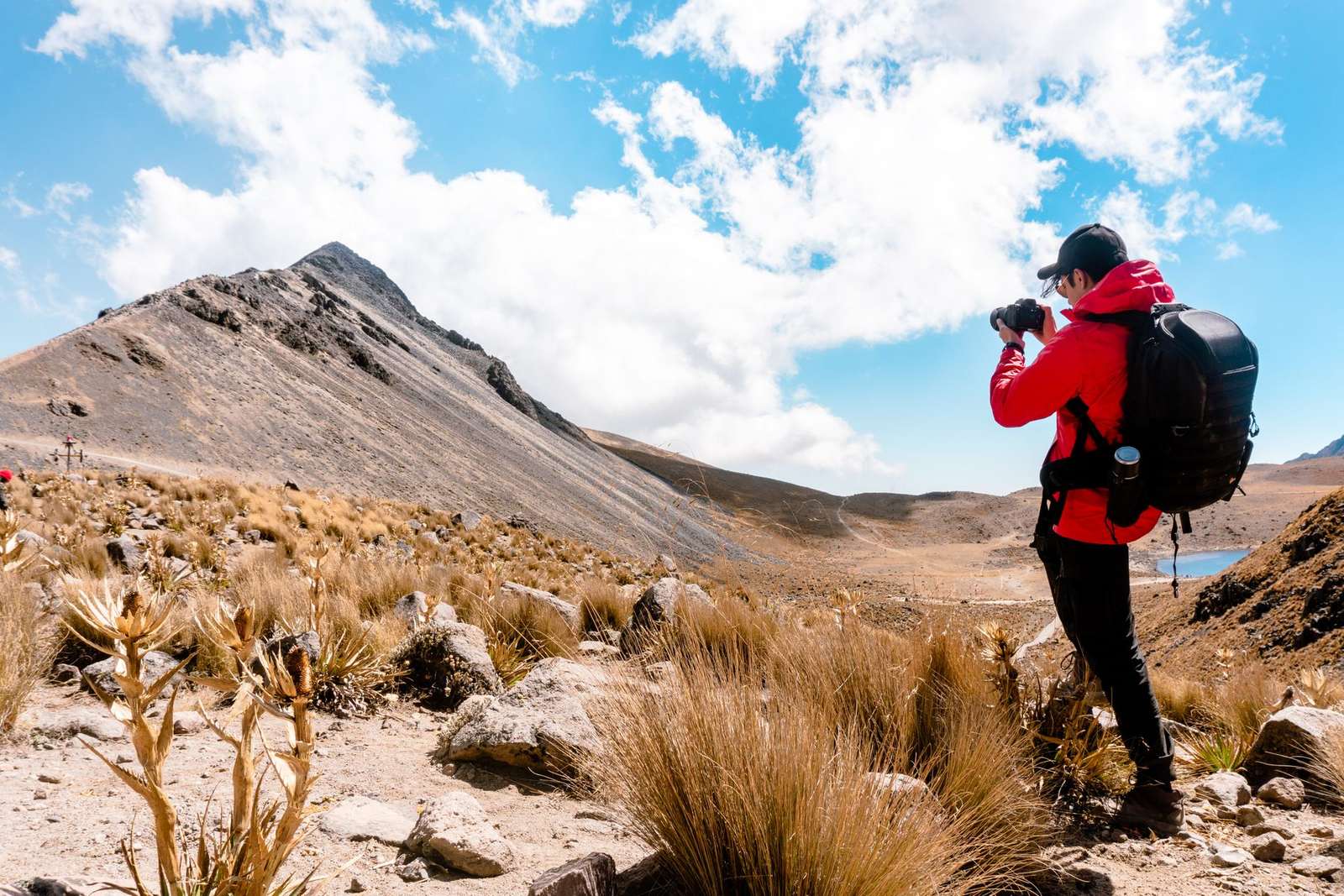
Pack for protection and weight
Your camera bag should protect gear, be comfortable for a full day and not scream “expensive equipment”. A padded insert inside an ordinary backpack often does the job.
For layouts, packing order and what to keep on your body, see how to pack camera gear for travel.
A short list of small items earns its place in nearly every bag:
- A microfibre cloth and a blower for dust and sea spray.
- Spare memory cards in a small case.
- A compact charger and the right plug adapter.
- A lightweight tripod or a flexible mini support.
- A rain cover or even a plastic bag with a rubber band.
Know the battery rules for flying with camera gear
Batteries are the part of camera kit that airports care about most. Lithium-ion cells can overheat, so aviation authorities treat them differently from the rest of your gear.
According to the FAA’s guidance, batteries of 0-100 Wh are allowed on passenger aircraft, 101-160 Wh require air carrier approval, and batteries exceeding 160 Wh are forbidden. Most camera batteries sit well below the first limit, but large drone packs and external power banks can approach the next one.
The FAA also notes a two-spare limit on larger lithium-ion batteries of 101-160 Wh, in carry-on only. Spare larger lithium-ion batteries and power banks in that range are forbidden in checked baggage.
The TSA’s page says the same thing for spares: uninstalled lithium ion and lithium metal batteries, including power banks, must be carried in carry-on baggage only. Always read the label on the battery to find its watt-hour rating.
If a battery shows only milliamp hours, the FAA explains the sum: divide mAh by 1000 to get Ah, then multiply by the voltage. When in doubt, check with your airline before you travel, because carriers can add their own limits.
Protect your batteries on the road
- Keep terminals covered with tape or in individual pouches so they cannot short against metal.
- Carry spares in your cabin bag, not your hold luggage.
- Do not travel with damaged or swollen batteries.
- Charge everything overnight, and top up whenever you sit down for a meal.
Travel photography tips for using light well
Light matters more than gear. The same street can look dull at midday and magical later in the afternoon, so learn to read it.
The most famous window is golden hour. DailyPhotoTips describes it as roughly an hour after sunrise and an hour before sunset, when the sun creates light that makes almost everything look better, but the window is short and the light changes constantly. Because the term is informal, different sources define the exact window a little differently.
At that time the light is warm, soft and angled, which flatters buildings, landscapes and faces. For a full plan, read our guide to golden hour travel photography.
Do not waste the rest of the day
Midday sun is harsh, but you can work with it. Look for shade, shoot interiors, find reflections, or use strong shadows as part of the picture.
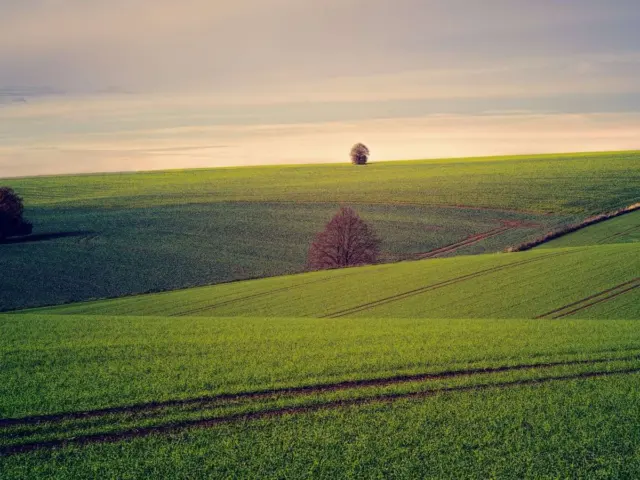
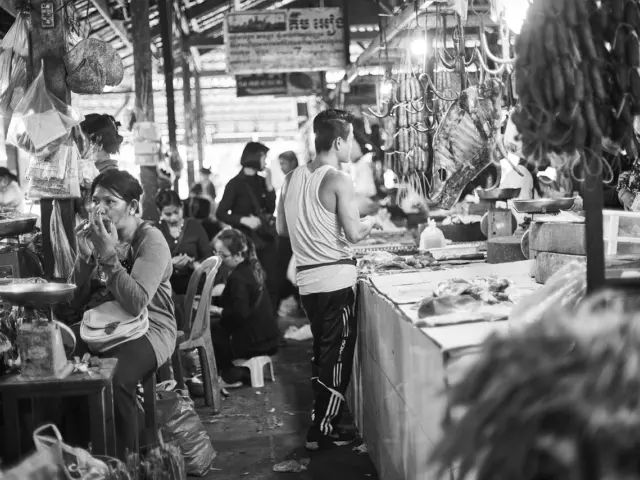
Overcast days are an underrated gift. Cloud acts as a giant softbox, which is ideal for portraits, markets and forests, and colours often look richer.
After dark
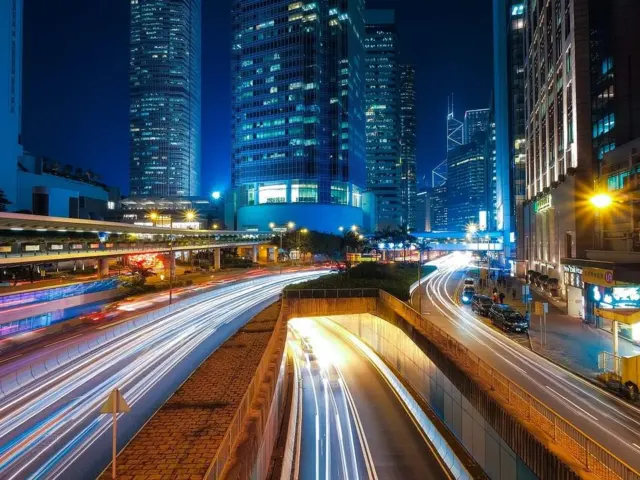
Cities change completely at night, with neon, wet streets and glowing windows. A steady support and careful exposure matter here, and our guide to night photography while traveling covers the details.
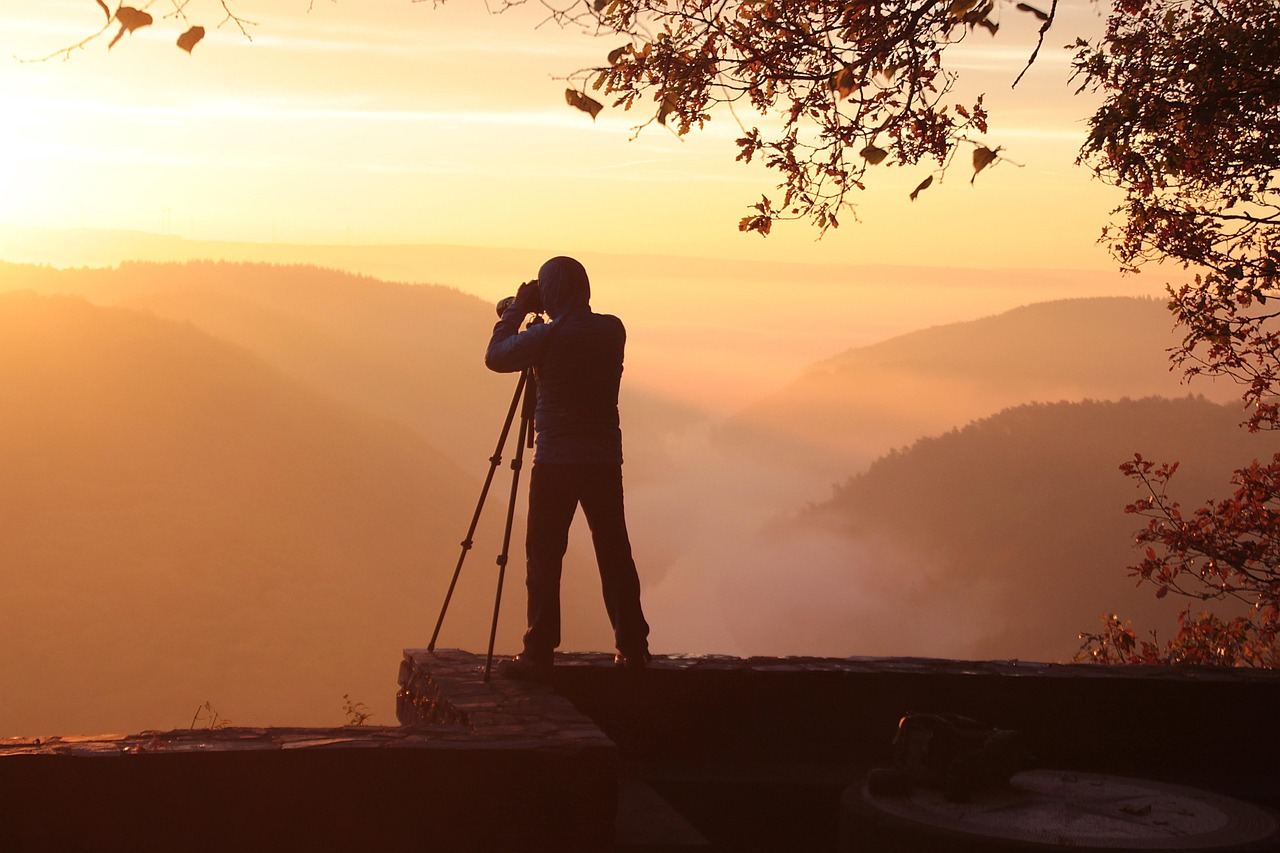
Compose with intent
Composition is how you arrange what is in the frame. It is the quickest way to make a photo of a famous place look like yours.
The classic starting point is the rule of thirds. Digital Camera World calls it the most well known, and arguably the most useful, composition rule, and suggests turning on the grid lines in your camera, often described as a 3×3 grid. Place your subject or the horizon along those lines rather than in the dead centre.
Treat it as a guideline, not a law. Digital Camera World itself says these rules are more like guidelines, and a centred, symmetrical frame can be stronger for a doorway or a reflection.
Simple habits that improve every frame
- Look at the edges. Check for stray bags, poles or signs poking in.
- Add foreground. A branch, a doorway or a table gives depth to a wide view.
- Use leading lines. Roads, rails and railings pull the eye to your subject.
- Change your height. Crouch low or find a higher vantage point.
- Wait a moment. A passing cyclist or a flock of birds often completes the scene.
For worked examples of framing, balance and layers, see travel photography composition tips.
Use colour, space and scale
Strong colour can carry a picture by itself. Look for a red door against a pale wall, a boat on turquoise water, or a single bright coat in a grey crowd.
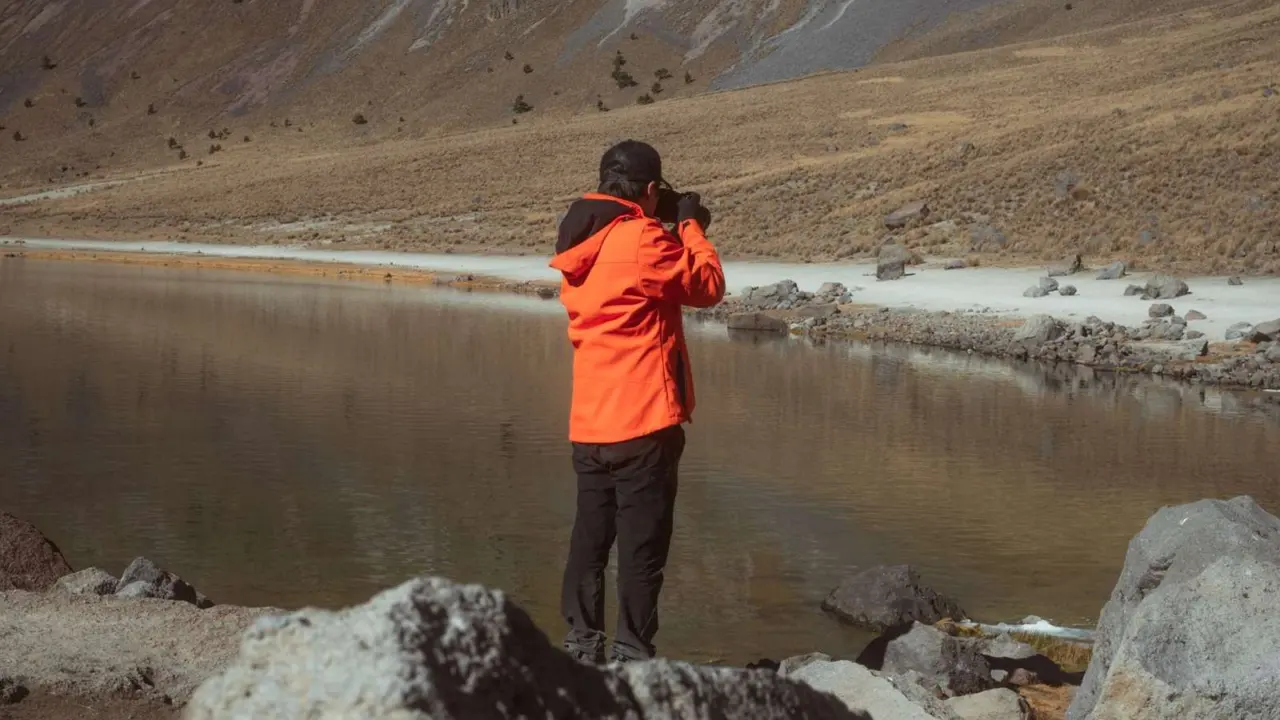
Empty space helps too. A small figure in a large landscape shows scale, and a quiet area of sky or wall gives the eye somewhere to rest.
When a scene feels cluttered, simplify it. Step sideways, zoom in, or wait until the distracting element has left the frame, and the subject will usually become clearer.
Tell a story, not just a postcard
One wide photo of a temple says you were there. A set that includes the entrance, the incense, a worshipper’s hands and a street seller outside says what it felt like.
Try to bring home a mix: wide scenes, medium frames, and close details. Together they make an album that holds attention.
Photograph places and people with respect
Travel photography involves other people’s homes, rituals and faces. Good manners improve both your pictures and your experience.
Smile, make eye contact and ask before taking a close portrait. A gesture toward your camera and a questioning look works in any language, and a refusal should always be accepted.
Our guide on how to photograph people while traveling goes further on approach, consent and candid street work.
Be careful around sensitive places
- Follow signs about photography in religious buildings, and never use flash during ceremonies.
- Avoid photographing military sites, border posts and security staff.
- Do not photograph children without a parent’s agreement.
- Think before posting a location that might be fragile or private.
Landmarks and crowds
Famous sights are crowded for a reason, and getting something fresh takes patience. Arrive early, look for unusual angles and include context such as people, weather or nearby streets. We go deeper in photographing landmarks and tourist sites.
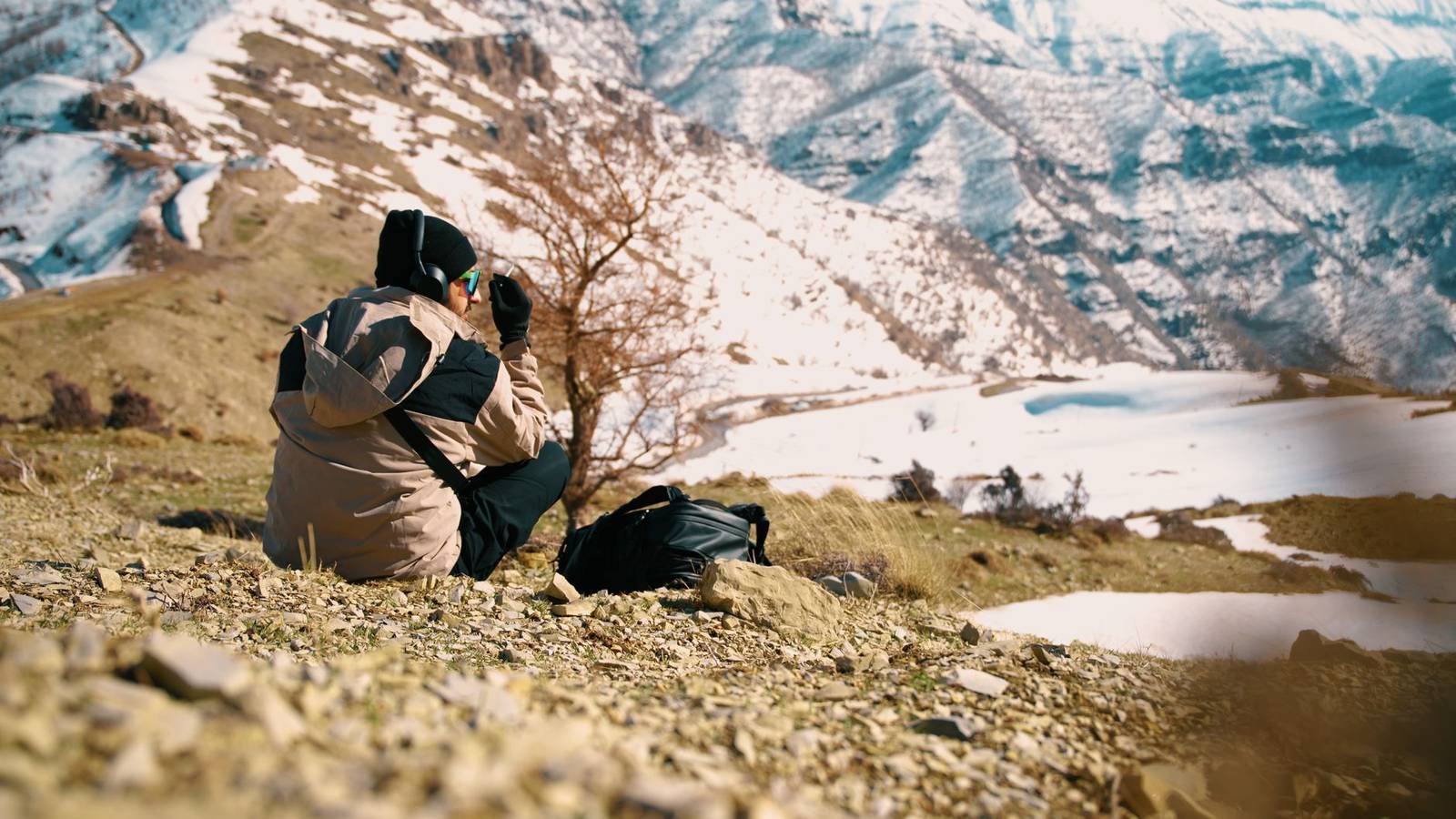
Shoot with a routine on the road
Good habits beat inspiration. When you are tired, hungry or hurried, a simple routine keeps your pictures consistent and stops you missing moments.
Start each day with a quick check of the basics. Make sure the battery is charged, the card has space, the lens is clean and the settings still suit the conditions you expect.
Build a daily rhythm
- Morning: check the weather and the light, then head to your best viewpoint while it is quiet.
- Midday: shoot interiors, food, markets and details, or rest and review your files.
- Afternoon: scout a spot for the evening and note where the sun will set.
- Evening: shoot the soft light, then stay for dusk and the first lit windows.
- Night: back up your files, charge your batteries and plan tomorrow.
This rhythm leaves space to wander as well. Some of the strongest travel photos come when you put the camera down for a while and simply notice what is going on around you.
Slow down and shoot less, but better
It is tempting to fire off countless frames at every stop. A calmer approach usually works better: look, wait, then press the shutter when the scene comes together.
Ask yourself what drew you to the scene. If you cannot say, move around until you can, then frame that thing clearly and remove anything that does not support it.
Capture the unglamorous parts
Trips are not only landmarks. Station platforms, breakfast tables, handwritten menus, luggage piles and rainy windows are the details that bring a trip back years later.
Take a few frames of these ordinary moments each day. They cost nothing, and they often turn out to be the pictures friends and family enjoy most.
Handle weather, heat and dust
Bad weather can make better pictures than blue sky, as long as your gear stays safe. Mist, rain and storm light add mood, and wet surfaces reflect colour.
- Wipe the lens often, and keep a dry cloth in an inside pocket.
- Let your camera adjust slowly when you move between cold air-conditioning and humid heat, to limit condensation.
- Avoid changing lenses in sandy or dusty wind; turn your back and shelter the camera.
- Do not leave your camera in a hot car or in direct sun for long periods.
- Rinse off salt spray as soon as you can, using a slightly damp cloth.
Make the most of your phone
A modern phone is a capable travel camera, always in your pocket and quick to share. Turn on the grid, tap to set focus and exposure, and clean the lens with a soft cloth, since pocket lint softens images more than people expect.
Editing tools can finish what the camera started. Our overview of mobile photography apps compares options for shooting and editing.
Phone habits that pay off
- Turn on the grid so you can line up horizons and verticals quickly.
- Tap the screen on your subject to set focus, then adjust brightness before you shoot.
- Keep your fingers away from the lens and flash area when you hold the phone.
- Move closer instead of relying on digital zoom, which usually softens detail.
- Switch to airplane mode in remote places to save battery, and carry a small power bank.
A phone also makes it easy to take reference shots, such as signs, maps and timetables. These save time later when you caption pictures or try to remember where you were.
Back up and sort as you go
Copy photos to a second place every night, whether that is a laptop, a portable drive or cloud storage. Delete obvious rejects while the trip is fresh, and mark favourites so you can find them later.
A short, honest edit of each day beats a mountain of unsorted files when you get home.
Frequently asked questions
What is the most useful travel photography tip for beginners?
Show answer
Shoot in good light. Aim for the hour after sunrise and the hour before sunset, and use shade or cloud at other times, because light changes a photo more than equipment does.
Can I fly with spare camera batteries?
Show answer
Yes, in your carry-on. The FAA and TSA both say spare lithium batteries belong in carry-on baggage, and larger ones need airline approval. Check the source pages and your airline’s own rules before you fly.
Do I need to follow the rule of thirds?
Show answer
No. It is a helpful starting point, not a law. Use the grid to practise, then break it when a centred or symmetrical frame suits the subject.
Is a phone good enough for travel photography?
Show answer
For many trips, yes. A phone is light, quick and always with you, so the best approach is to learn its grid, focus and exposure controls before you go.
How do I ask strangers for a portrait?
Show answer
Smile, show your camera and ask, in words or gestures. Accept a no politely, and share the photo with the person if they would like to see it.