Only room for one lens? The best lens for travel photography is usually a standard zoom that starts wide and reaches a short telephoto. A superzoom suits you if you never want to swap lenses.
This guide is part of our wider travel photography tips, and it is independent of any lens maker named here.
| Item | Value |
|---|---|
| Wide-angle range described by Tamron | 16-35mm |
| Standard range described by Tamron | 24-70mm equivalent |
| Sigma all-in-one zoom (Fstoppers pick) | 20-200mm f/3.5-6.3 |
| Sigma 20-200mm weight | 540 g |
| Sigma 20-200mm filter thread | 72mm |
Figures come from Tamron’s travel lens guide and the Fstoppers all-in-one lens roundup. Lens specifications and models change, so check the source before you rely on them.
Start with the trip, not the lens
Before you compare models, think about what you will actually shoot. A city break full of streets, food and architecture asks for something different from a safari or a mountain trek.
Ask yourself three questions:
- Will I carry this lens all day, on foot?
- Do I shoot indoors or at dusk, where a wide aperture helps?
- Do I need reach for distant subjects, or is everything close?
Your answers matter more than any ranking. A lens you leave in the hotel because it is heavy takes no pictures at all.
What each focal length range does for you
Tamron’s guide splits travel lenses into three working ranges. Its wide-angle group is described as the “16-35mm Range”, and it is best for landscapes, architecture, cityscapes and interiors.
The middle group is the standard range. Tamron says “The standard zoom range closely matches natural human perspective, making it extremely versatile.” It lists street photography, food and everyday travel moments as the fit.
Past that sits telephoto, described as “70mm and Beyond”. It suits wildlife, candid portraits and isolating distant details.
If you can only take one lens, the standard range covers the most situations. Add width or reach only when your destination demands it.
Standard zoom, superzoom or prime?
These are the three realistic answers to the one-lens question. Each trades convenience against image quality or light.
A standard zoom
A zoom that begins around 24mm and ends somewhere past 70mm is the safe default. It handles streets, markets, group shots and landscapes without a lens swap. It is also usually smaller than a lens that reaches far into telephoto.
A superzoom
Tamron notes that “Many photographers prefer an all-in-one travel lens or superzoom lens because it eliminates the need to carry multiple lenses.” That is the appeal: one lens, nothing to change, no dust on the sensor.
The cost is real, though. Fstoppers puts it bluntly: “Fold a 10x range into a lens the size of a soda can and something has to give: corner sharpness at the wide end, contrast at the long end, distortion so severe that the lens profile is doing half the work before you ever open the file.”
A prime lens
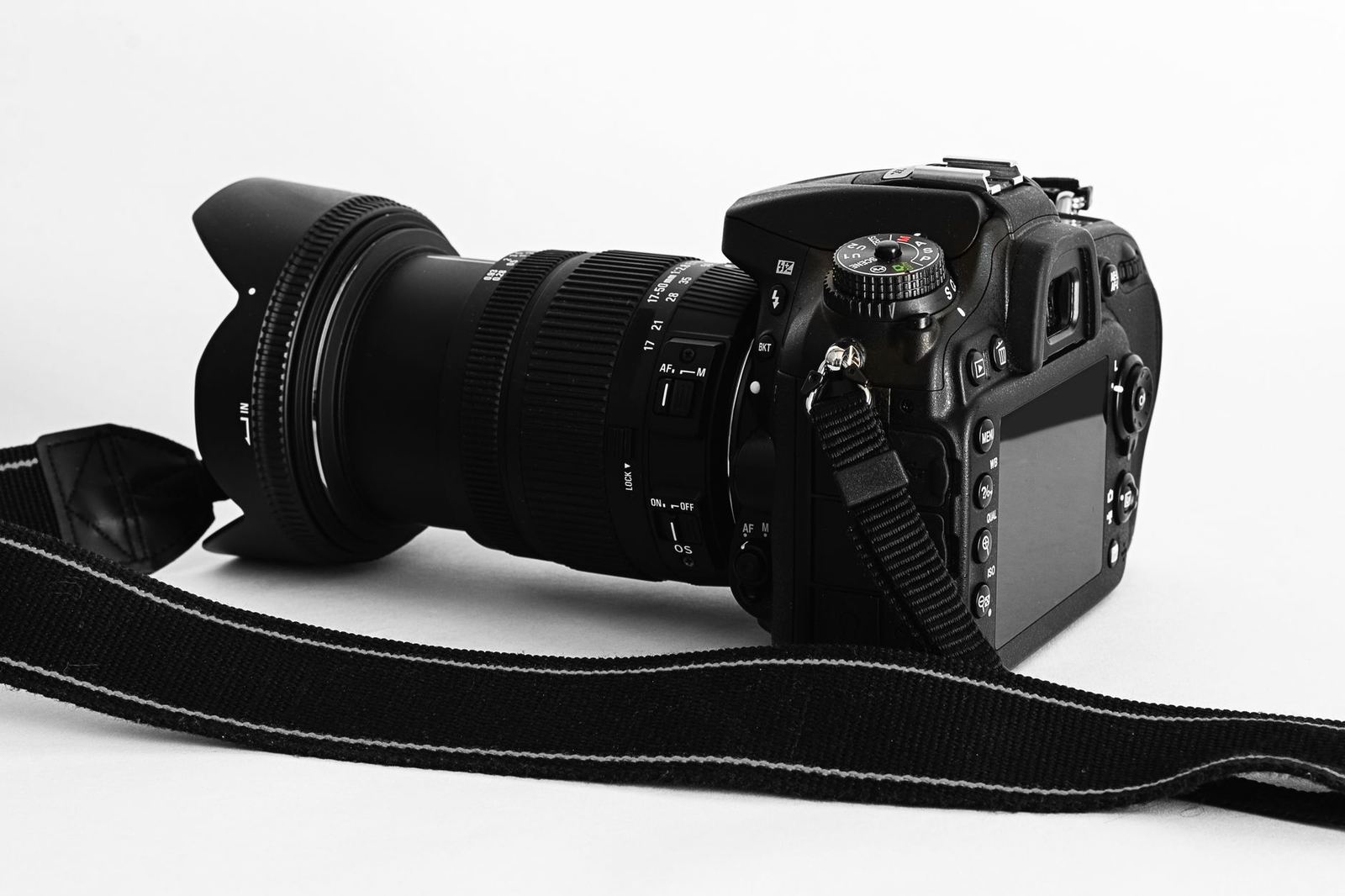
Tamron says prime lenses offer a fixed focal length “but often provide: Wider apertures Compact size Strong low-light performance Shallow depth-of-field control”. They suit night walks and street work.
The catch is that you zoom with your feet. Tamron adds that “Many photographers pair a lightweight prime with a versatile zoom for a balanced kit”, which is a good plan if your bag has room for two.
A closer look at one all-in-one zoom
Fstoppers named the Sigma 20-200mm f/3.5-6.3 DG Contemporary its best overall all-in-one. It notes that “Superzooms almost always start at 24mm or 28mm because the wide end is where the optical design gets punishing”, so starting at 20mm is unusual.
The same review lists a weight of 540 g and a standard 72mm filter thread. It also warns of a drawback: “There is no optical stabilization in this lens at all, so it is only a sensible buy on a body with in-body stabilization”.
That shows how to read any superzoom. Check the weight, whether it is stabilized, and how wide the aperture stays when you zoom in.
How to choose and pack your one lens
Use this short process:
- Pick the focal range you shoot most, not the one you might shoot once.
- Decide whether you can live with a smaller maximum aperture indoors.
- Check weight and stabilization, especially for long zooms.
- Rent or borrow it for a weekend before the trip if you can.
Your body matters too. Our guide to the best camera for travel photography covers how the camera and lens work as a pair.
Once you have chosen, read our notes on how to pack camera gear for travel so the lens arrives safely and stays within easy reach.
Common mistakes when choosing a travel lens
Most regrets come from the same few habits. Knowing them early saves money and bag space.
- Buying for the rare shot. Reach you use once a trip is weight you carry every day.
- Ignoring stabilization. Long focal lengths magnify hand shake, so check whether the lens or your camera body steadies the image.
- Forgetting the aperture range. A lens that is fast at the wide end can become much slower when zoomed in.
- Skipping a test. Shoot your usual subjects at home first: a street, a meal, a window-lit room.
Weight deserves its own thought. A lens feels light in the shop and heavy by mid-afternoon, so picture carrying it through a full day of walking, stairs and crowded transport before you commit.
Handling matters just as much as specifications. A zoom ring that is stiff, a lens hood that is awkward to stow, or a filter size that matches nothing else you own can all make a good lens annoying on the road.
Treat the first week with a new lens as a trial. If you keep reaching for one end of the zoom, that tells you which range you really need.
Be honest about your habits, too. If you rarely change lenses at home, you are unlikely to enjoy doing it on a crowded platform or a windy beach.
It also helps to review your last trip’s photos. Look at the focal lengths your favorite shots used, which most photo software shows in the file details, and buy for that pattern rather than for an imagined one.
Frequently asked questions
Is a superzoom good enough for travel?
Show answer
For most snapshots and trip albums, yes. Expect some softness at the extremes, as Fstoppers describes, and plan on a stabilized body for long focal lengths.
Do I need a wide aperture for travel photography?
Show answer
Only if you shoot indoors or at night often. Tamron points to primes for strong low-light performance, so a small prime can cover that gap.
Can one lens really cover a whole trip?
Show answer
Yes, if you choose the range you use most. Tamron says a broad-range travel zoom gives the greatest flexibility in unpredictable situations for many travelers.
Should I take a prime as well?
Show answer
If you have space and weight to spare, a compact prime is a useful second lens. Tamron suggests pairing a lightweight prime with a versatile zoom.