Overwhelmed by camera choices before your trip? The best camera for travel photography is the one you will actually carry all day: a sensor size you can live with, in a body and lens light enough to leave in your bag.
This guide is part of our wider series on travel photography tips.
| Sensor format | Key figure |
|---|---|
| Full frame sensor size | 36 mm x 24 mm |
| APS-C crop factor (Nikon and Sony) | 1.5x |
| APS-C crop factor (Canon) | 1.6x |
| Micro Four Thirds sensor size | 17.3 mm x 13 mm |
| Micro Four Thirds crop factor | 2x |
| One-inch (Type 1) sensor size | 13.2 x 8.8 mm |
Figures come from Digital Photography School and Digital Camera World (published 30 May 2025). Specifications and naming can change, so check the source before you rely on them.
Start with how you travel, not with a spec sheet
A camera that stays in the hotel produces no photos. Before comparing models, decide what a normal travel day looks like for you.
- Do you walk for hours through cities, or travel by car and stop at viewpoints?
- Do you shoot mostly landscapes and architecture, or people, markets and street scenes?
- Will you shoot in low light, such as evenings, interiors and night markets?
- Do you want to change lenses, or would one lens be simpler?
Your answers matter more than any single number on a spec sheet. A person who wanders streets all day needs something very different from someone photographing wildlife from a vehicle.
What sensor size means for a traveller
The sensor is the part that captures light, and its size drives much of what a camera can do. Full frame sensors measure 36 mm x 24 mm, the same as 35mm film, while Micro Four Thirds sensors are smaller at 17.3 mm x 13 mm. APS-C sits between them.
Bigger is not simply better for a traveller. According to Digital Camera World, the bigger the sensor, the bigger your camera and its lenses will be, and the cost rises too. That trade-off is the heart of the decision.
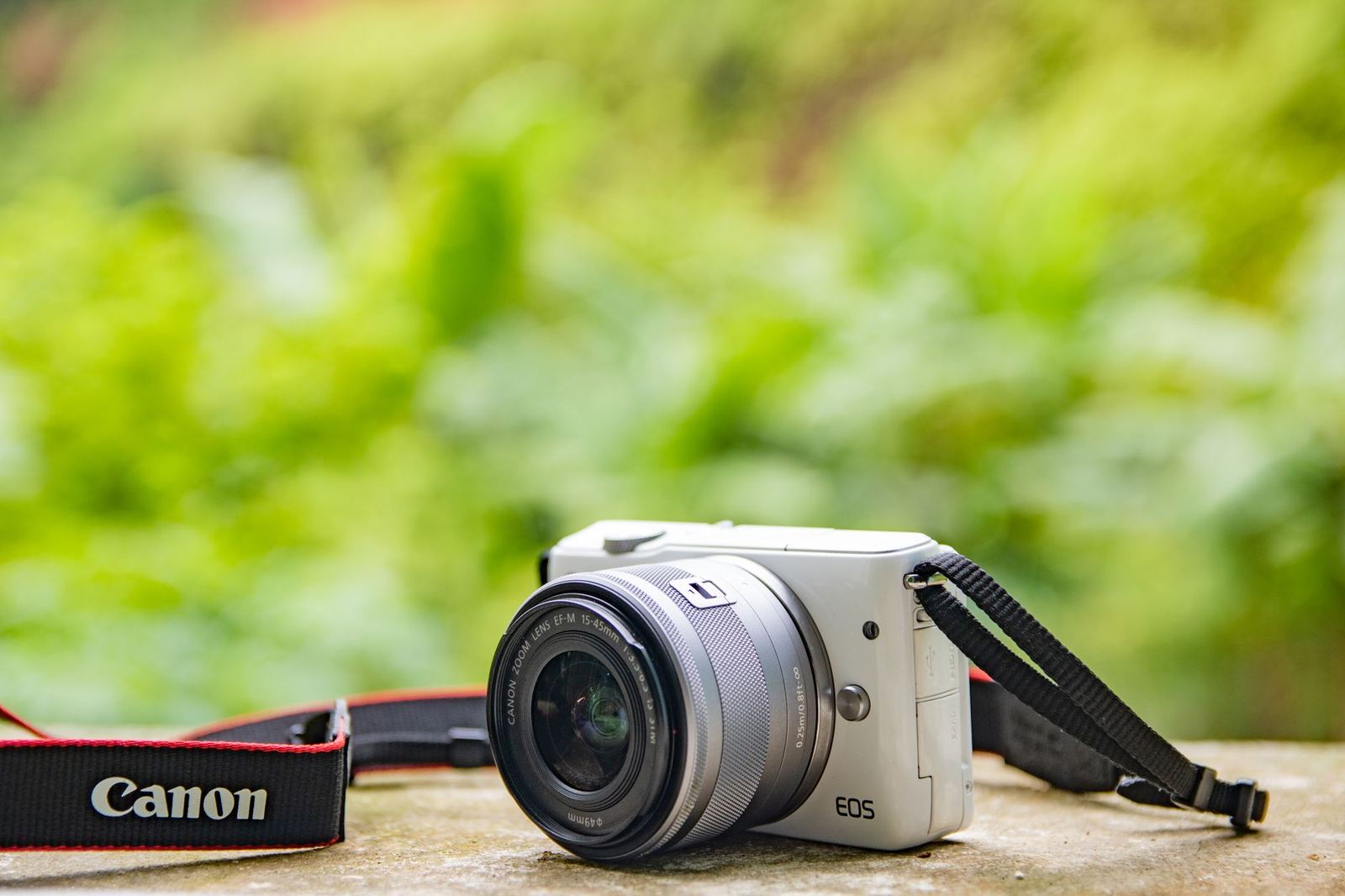
On the plus side, a larger sensor tends to give less noise in dim scenes and more control over blurred backgrounds. For evening street photography or portraits, that can be worth some extra weight.
Crop factor: reach without extra weight
Crop factor describes how a smaller sensor frames a tighter view than a full frame sensor with the same lens. APS-C has a crop factor of 1.5x on Nikon and Sony cameras and 1.6x on Canon cameras, while Micro Four Thirds is 2x.
In practice, a 50mm lens on APS-C looks like a 75mm lens, as Digital Photography School explains. For travellers, this works in your favour when you want distant details such as architecture, animals or faraway peaks, because a small lens can deliver more reach. It works against you for wide interiors and landscapes, where you may need a wider lens to compensate.
Lens choice deserves its own thought, and our guide to the best lens for travel photography covers it in detail.
Camera types compared for travel
Full frame mirrorless
Best image quality in low light and the most control over depth of field. The cost is a larger body, larger lenses and a higher price, as larger sensors need lenses that cover a bigger image area.
APS-C and Micro Four Thirds mirrorless
These formats usually give a good balance for people who want interchangeable lenses without a heavy bag. Smaller sensors allow smaller lenses, so you can carry a wider range of focal lengths in the same space.
Premium compacts
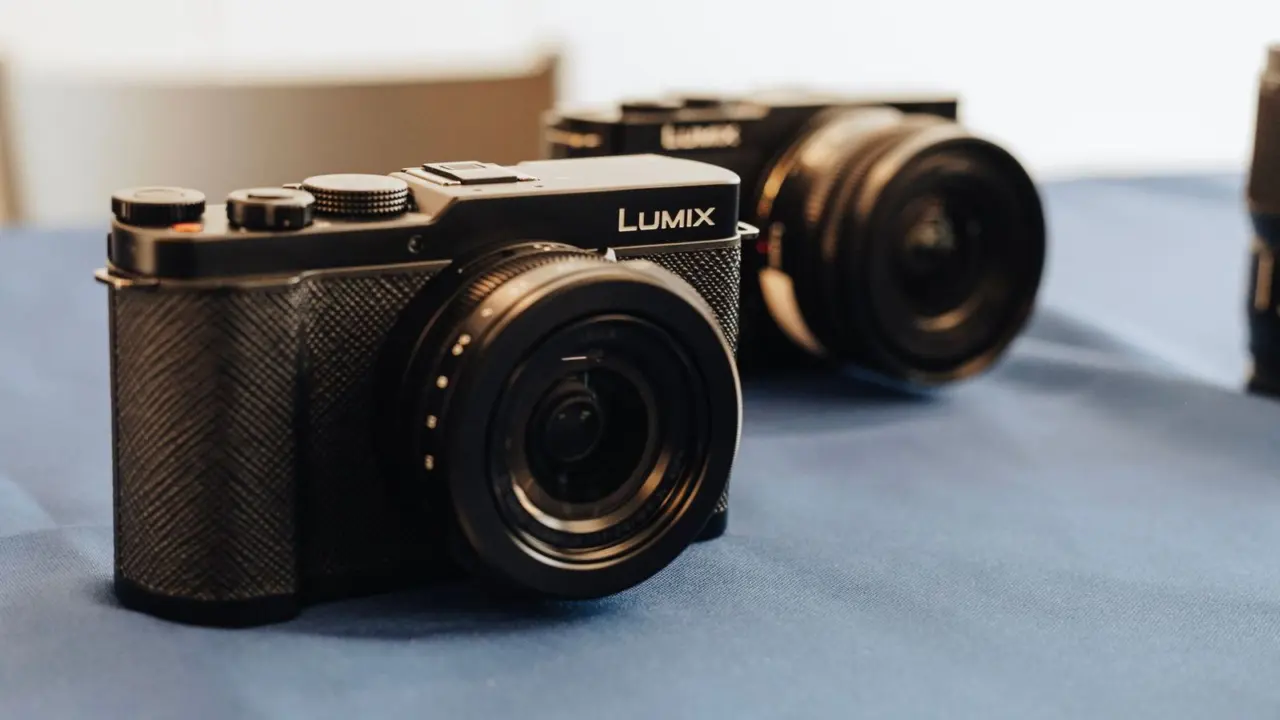
A compact with a one-inch (Type 1) sensor is far smaller than a full frame body. Digital Camera World notes that the full frame sensor is over seven times larger than the Type 1 sensor, which is the cost of fitting a camera in a jacket pocket.
Phones
Your phone is always with you, and for casual snapshots it may be all you need. A dedicated camera earns its place when you want optical zoom, better handling, or cleaner files in poor light.
Practical features that matter on the road
Beyond sensor size, a few everyday details decide whether you will enjoy a camera while travelling.
- Weight and bulk: pick up the camera with the lens attached, because the pair is what you carry.
- Battery life and charging: being able to top up from a power bank or USB port saves stress on long days.
- Weather resistance: rain, dust and sea spray are common, so sealing helps.
- Handling: controls you can reach without taking the camera from your eye make quick scenes easier.
- Stabilisation: helpful for handheld shots in dim light, when a tripod is not practical.
Once you have a camera, learning its controls matters as much as the purchase. Our guide to camera settings for travel shows where to begin.
Packing and carrying your camera
How you carry a camera shapes how often you use it. A small body with a single versatile lens can sit in a sling bag or even a coat pocket, so it is ready when a scene appears.
A larger kit often means a dedicated camera bag, which you may hesitate to take on a long walk. Many travellers find that a lighter setup produces more photos, simply because it comes out more often.
- Keep the camera accessible rather than buried at the bottom of a backpack.
- Carry spare batteries and memory cards in a separate pocket.
- Use a clean cloth to wipe dust and moisture from the lens.
- Back up your photos each evening, if you have a way to do so.
Planning for these small habits is part of choosing well, because they decide whether your camera is a pleasure or a burden once a trip is well under way.
A simple way to decide
Work through this short process before buying.
- Write down the three kinds of photo you most want to take.
- Choose the smallest sensor that still handles the hardest of those, such as low light.
- Handle the camera in a shop if you can, with a travel lens fitted.
- Check the airline’s cabin baggage rules for your trip, since limits are set by each airline, and decide how you will carry the gear.
- Practise at home for a few weeks before you leave.
If you are torn between two models, the lighter one is usually the safer choice for travel. A slightly less capable camera you carry everywhere beats a better one left behind.
Frequently asked questions
Is a full frame camera worth it for travel?
Show answer
It can be if low-light quality and shallow depth of field matter most to you. The trade-off is size, weight and cost, since bigger sensors mean bigger cameras and lenses.
What does crop factor mean?
Show answer
It is a multiplier showing how much tighter a smaller sensor appears to zoom. For example, APS-C is 1.5x on Nikon and Sony and 1.6x on Canon.
Can a phone replace a travel camera?
Show answer
For many casual shots, yes. A dedicated camera helps when you want better low-light files, optical zoom and more comfortable handling.
Should I buy a camera right before a trip?
Show answer
Avoid it if you can. Give yourself time to learn the controls and test it in situations like those you will meet on the trip.