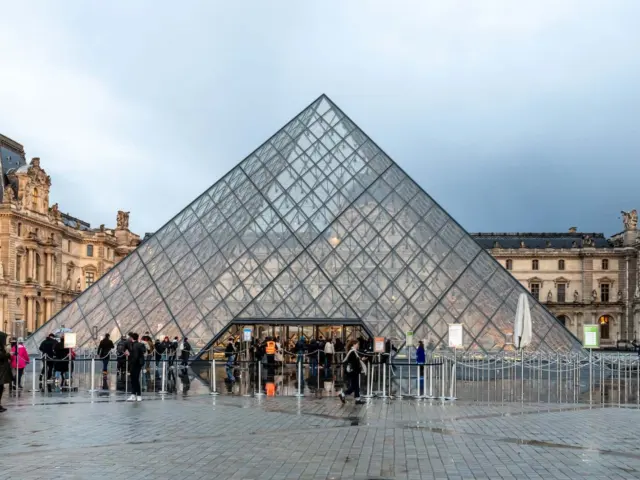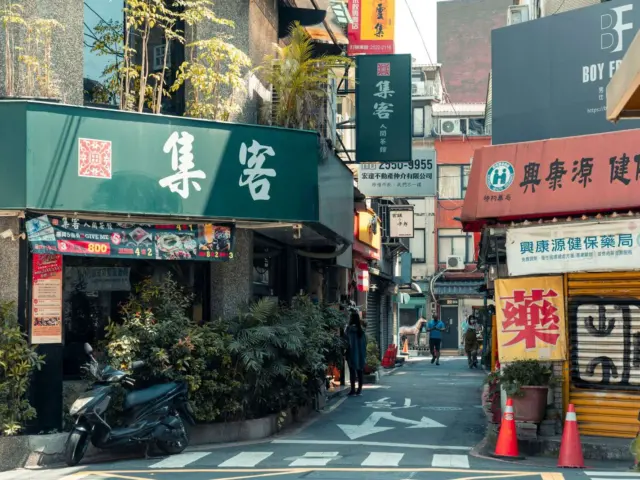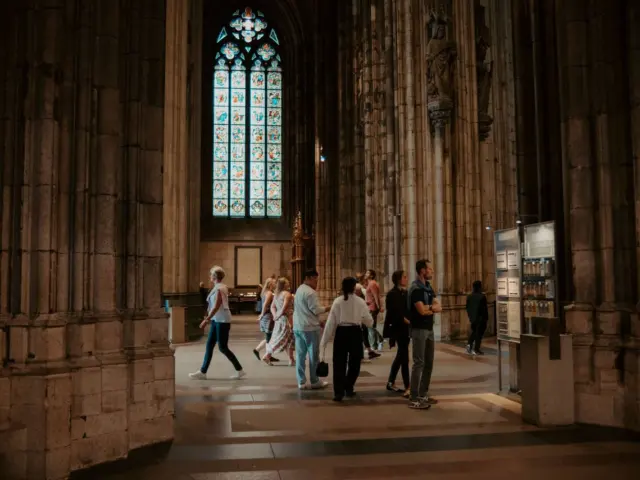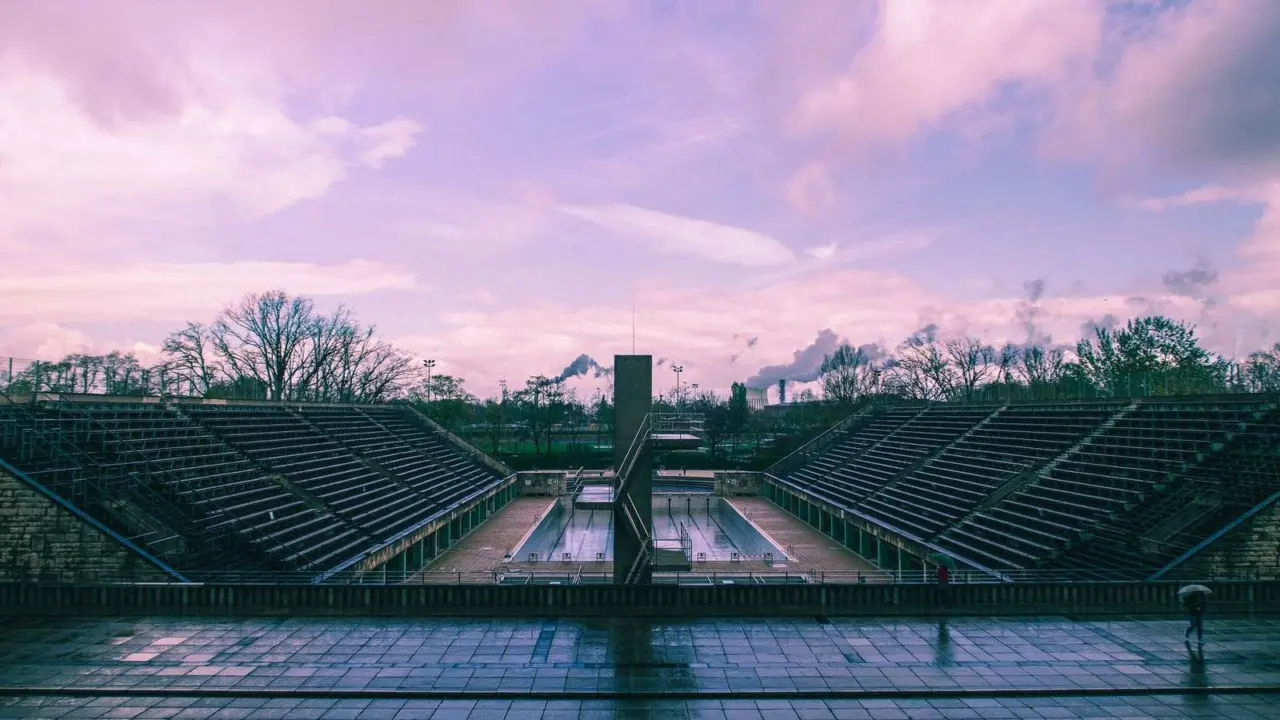
Tired of strangers in every frame? Here is how to take photos without tourists: arrive at dawn, return late in the day, choose unusual angles, and use a tripod with long exposures or stacking to clear what remains.
This guide is part of our look at photographing landmarks and tourist sites.
| Item | Value |
|---|---|
| Best time to beat the crowds | Right at dawn |
| Backup time | Late in the day, when quarters are often empty |
| Gear needed for both removal methods | A tripod |
| Interval between stacked frames in Canon’s example | About 20-30 seconds |
| Frames stacked in that example | About five images |
Figures come from Digital Photography School and Canon Singapore’s Snapshot guide. Advice and examples can change, so check the source before you rely on them.
How to take photos without tourists: start with timing
The most reliable trick is to go early. One photography guide puts it plainly: “Beat the crowds by getting there right at dawn.” Most visitors are still at breakfast, and the light is usually softer too.
A practical plan for a famous spot:
- Check sunrise time the night before and work out how long the journey takes.
- Arrive before the light is at its best, so you can set up without hurry.
- Take your main shots first, while the place is quiet.
- Head back for breakfast once the first tour groups appear.
The same guide suggests you go out and take photos early, while nobody is there, then get back to your hotel and catch up with breakfast. That keeps the early start from wrecking your day.
Is the end of the day any good?
Yes, as a second chance. The same source notes that, surely working the opposite way to going early, “in most cases, you’ll find empty quarters as well late in the day.”
Late visits suit places that stay lit after dark or that thin out as tour buses leave. Check opening hours first, because some sites close well before dusk and others restrict tripods after hours.
- Blue hour after sunset gives deep colour and fewer people.
- Night shots of lit monuments often have only a handful of passers-by.
- Weekdays and quieter seasons make any time slot easier.
Change where you point the camera
If you cannot avoid the crowd, avoid the crowd’s view. Most people shoot the postcard angle from the main viewing point, at eye level, so a different angle loses them.
- Tilt up. As one guide says, “Pointing your camera up makes an interesting and different angle.”
- Shoot details such as carvings, doorways or textures instead of the whole building.
- Walk away from the main viewpoint and look for side streets, gardens or higher ground.
- Use reflections in puddles, windows or water to frame the subject without the people at its base.
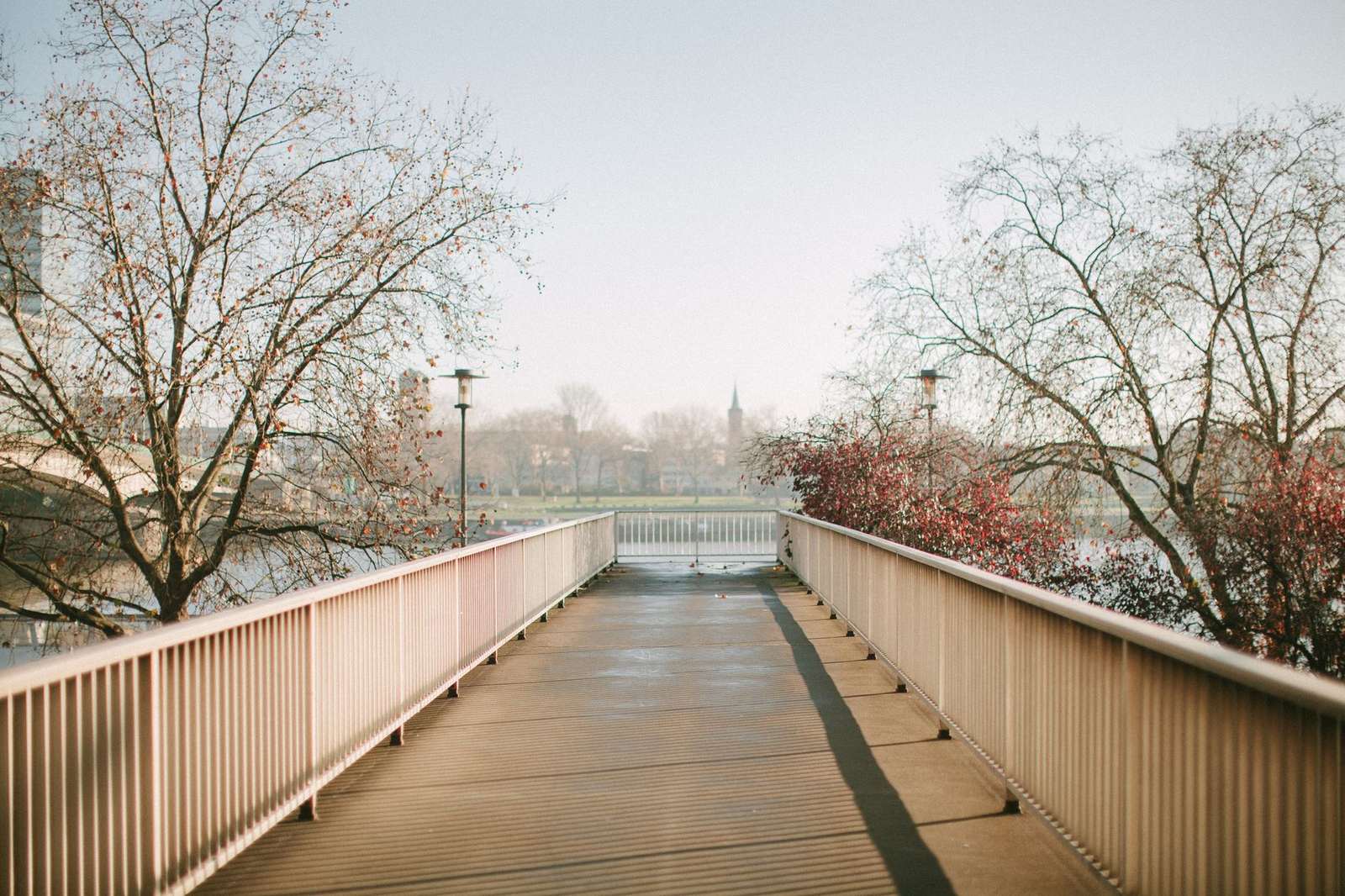
Lens choice matters here. A longer lens compresses the scene and lets you pick out a small area from far away, while a wide lens held low can make foreground objects hide people behind them. Try both, and walk around the subject before you settle on a spot.
Tight framing also helps. Fill the frame with the part of the landmark that matters, and the empty space where tourists would stand simply drops out.
Make people disappear with long exposures
When people keep moving, a long exposure blurs them into nothing. A neutral density (ND) filter cuts the light so you can leave the shutter open in daylight, and a tripod keeps the scene sharp. Canon’s guide says you will need a tripod to stabilise your camera for both of its methods.
For the ND filter method, you hold the shutter button or use Bulb mode, so shake-free support matters. Take several frames and keep the one with the fewest ghosts, because anyone who stands still can remain as a faint shape.
Expect small colour shifts from strong filters. You can correct white balance afterwards in your editing software.
Stack several frames instead
You do not need a filter for image stacking. You shoot the same scene repeatedly from a locked-off tripod, then blend the frames so moving people are brushed or averaged away in software such as Photoshop.
Canon’s example, a busy street in Bangkok, used about 20-30 seconds between frames and stacked about five different images. The guide also notes that stacking needs you to photograph at the same spot at an interval for at least a few minutes, and that you should avoid composition changes between shots.
- Mount the camera on a tripod and lock your composition.
- Set exposure manually so every frame matches.
- Wait out an interval, then shoot again, several times.
- Combine the frames and remove the people who appear in only one place.
Keep the camera still between frames. Touching it, changing zoom or letting the tripod sink on soft ground will shift the composition and make blending harder, so use a remote or timer and check the first frame before you commit to the sequence.
Stacking suits very busy scenes where a filter alone will not clear everyone. It is also forgiving, since the scene does not need to be perfect.
Plan the visit before you leave
Most of the work happens before you pick up the camera. A little research tells you where to stand and when to arrive, so you spend your quiet minutes shooting rather than searching.
- Study the site on a map and satellite view to spot side viewpoints and higher ground.
- Look at other photographers’ pictures to see which angles are overused, then pick a different one.
- Read the site’s rules on tripods, drones and entry times, since these differ from place to place.
- Pack light so you can move fast to the best spot while it is still quiet.
- Decide your shot list in advance: the wide view first, then details and alternative angles.
Have a backup too. Weather, closures and unexpected events can fill a quiet place at short notice, so a second location or a second visit time keeps the trip worthwhile.
Keep your expectations honest. Some of the world’s busiest places are rarely empty, and a clean frame may need patience, several visits or a bit of editing. That is normal, and the methods above give you several ways to get there.
Shoot politely while you wait
Waiting for a gap is part of the job, but you share the space. Do not block a path or viewpoint for long, and be careful with tripods in tight areas. Our guide to photography etiquette at tourist sites covers courtesy and local rules.
If you cannot clear the frame at all, it can be better to include people on purpose. Our advice on how to photograph crowded tourist attractions shows how to make a crowd part of the picture.
Frequently asked questions
What is the best time of day for photos without tourists?
Show answer
Dawn is the usual answer, since one guide advises you to beat the crowds by getting there right at dawn. Late in the day can also work.
Do I need a tripod to remove people from photos?
Show answer
For both long exposure with an ND filter and image stacking, Canon’s guide says a tripod is needed to stabilise your camera.
Can I do this without an ND filter?
Show answer
Yes. Image stacking blends several frames taken at intervals, so you can brush out moving people in editing software without a filter.
What if people stand still in the frame?
Show answer
They may remain as ghosts in a long exposure. Take several shots and choose the cleanest, or wait for them to move on.