Wondering how to behave with a camera in a crowd? Good photography etiquette at tourist sites comes down to three habits: respect posted rules, keep clear of other people and wildlife, and ask before photographing anyone close up.
This guide is part of our look at photographing landmarks and tourist sites.
| Item | Value |
|---|---|
| Typical minimum distance from most wildlife in many US parks | 25 yards |
| Typical minimum distance from bears and wolves | 100 yards |
| Olympic National Park minimum distance | 50 yards |
| NPS drone policy memorandum | June 2014 |
| Maximum penalty for breaking the NPS drone ban at Crater Lake | Six months in jail and a $5,000 fine |
Figures come from the National Park Service wildlife guidance and Crater Lake National Park’s drone page. Rules and penalties can change, so check the source and the site’s own signs before you rely on them.
Why etiquette matters at busy sites
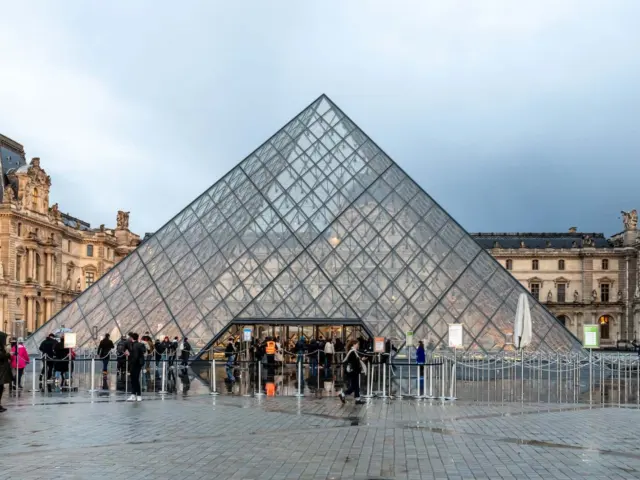
Popular landmarks are shared spaces. Your photo takes seconds, but a tripod in a doorway or a long pose on a staircase can hold up everyone behind you.
Most rules at tourist sites exist for a reason: protecting fragile surfaces, keeping walkways clear, or keeping visitors safe. Treat a sign as information about what the place needs, not as an obstacle to your shot.
A useful test is simple. If everyone else in the crowd did exactly what you are about to do, would the place still work for them?
Etiquette is also practical. Visitors who behave considerately tend to get better access, friendlier staff and calmer scenes to photograph, while careless behaviour is exactly what leads sites to add bans.
That pattern is worth remembering. Many restrictions on tripods, flash or drones began as a response to a handful of people who ignored the shared nature of the place.
Sharing the space with other visitors
Crowds are the main etiquette challenge. A few small habits make a large difference, and they cost you almost nothing.
- Take your shot, then step aside. Review your pictures away from the viewpoint, not in the middle of it.
- Keep walkways and entrances clear. Never set up where people need to pass.
- Wait your turn at popular spots. Queues at famous angles are normal, so join them politely.
- Mind your gear. Swinging bags, tripod legs and selfie sticks catch people at head height.
- Keep the volume down. Shutter sounds, flash and loud directions to a travel partner all carry.
If you are hoping for a clean frame, patience and timing work better than blocking others. Our guide on how to take photos without tourists covers quieter hours and framing choices that leave other visitors undisturbed.
Photographing local people respectfully
Residents, vendors and worshippers are not part of the attraction, even when they stand in front of it. Photographing them is a consent question first and a composition question second.
Ask with a smile and a gesture, and accept a no without argument. If someone agrees, show them the picture afterwards, which often turns a transaction into a friendly exchange.
- Greet the person before you raise the camera.
- Point to your camera and wait for a nod or a word.
- Take a few frames quickly, then thank them.
- Delete the picture if they ask you to.
Children deserve extra care. Ask a parent or guardian first, and think twice before posting identifiable pictures of other people’s children online.
Sacred and cultural places
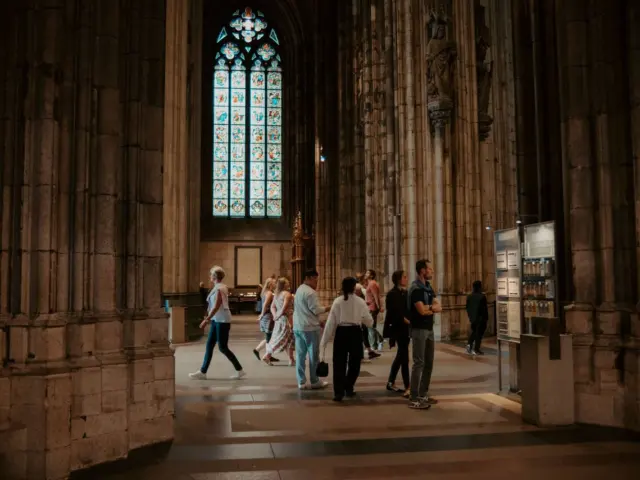
Temples, churches and memorials are living places of worship or remembrance. Many restrict flash, tripods or photography altogether, and the rule can differ from one room to the next.
Look for signs at the entrance, ask staff if you are unsure, and dress as the site asks. Our article on photography rules in museums and churches goes through what you are likely to meet indoors.
Behave as a guest during ceremonies. Do not photograph people at prayer without clear permission, and never pose in a way that mocks the place, such as jumping poses on a shrine or statue.
Drones and wildlife: the strictest rules
Drones are where enthusiasm most often turns into a legal problem. Crater Lake National Park explains that the NPS directed each superintendent to prohibit the launching, landing, or operation of unmanned aircraft, with certain exceptions. The same page says violation of the ban is a misdemeanor with the maximum penalty of six months in jail and a $5,000 fine.
Shenandoah National Park gives a reason beyond the law: unmanned aircraft disturb wildlife, visitors and negatively impact the view shed of the park’s designed landscape. Outside the United States, rules differ again, so look up the specific site before you pack a drone.
Wildlife is the other area where your camera can cause harm. According to the National Park Service, many parks require you to stay a minimum distance of 25 yards from most wildlife and 100 yards from predators like bears and wolves.
The same guidance tells visitors to use binoculars or a zoom lens and to move back if wildlife approach. Distances vary by park, so read the local rules rather than assuming.
Selfies deserve a mention here. Holding a pose for a long time, stepping over barriers for a better angle or climbing on monuments harms the site and annoys everyone waiting. Keep your feet on the visitor path, and let the next person in.
Posting is part of etiquette too. Avoid sharing exact locations of fragile or quiet places if the crowds are already a problem, and credit the setting honestly rather than implying you had it to yourself.
Finally, remember that a rule you find unfair is still the rule. If you think it is wrong, you can say so to the site’s management after your visit, but the viewpoint is not the place for an argument with staff or other visitors.
A quick checklist before you lift the camera
- Have you read the signs and the official visitor page for the site?
- Is flash, a tripod or a drone allowed here?
- Are you blocking a path, doorway or another person’s view?
- Have you asked before photographing someone up close?
- Are you far enough from animals to stay safe and leave them undisturbed?
If the answer to any of these is unclear, choose the cautious option. A missed shot costs you little, while a fine, an injury or an offended local costs far more.
Frequently asked questions
Is it rude to take photos of strangers at tourist sites?
Show answer
Not when they are incidental in a wide scene, but close portraits need consent. Ask first, accept a refusal, and avoid photographing people in vulnerable moments.
Can I use a tripod at popular landmarks?
Show answer
It depends on the site. Many busy places restrict tripods because they block walkways, so check the official rules and set up only where you will not obstruct anyone.
Can I fly a drone in a national park?
Show answer
In US National Park Service areas, no: the NPS policy from June 2014 directs superintendents to prohibit it, as described on Crater Lake National Park’s page. Other countries and sites have their own rules.
How close can I get to wildlife for a photo?
Show answer
Many US parks require 25 yards from most animals and 100 yards from bears and wolves, according to the National Park Service. Use a zoom lens and check your park’s own distances.