Unsure how to approach strangers with a camera abroad? Street photography while traveling works best when you learn local rules, move calmly, and preset your camera so you can focus on people and light.
This guide is a spoke of our wider look at photographing landmarks and tourist sites, but it turns the lens away from monuments and toward the people around them.
| Item | Key fact |
|---|---|
| Zone focusing setup | Manual focus, with the focal distance preset on the lens scale |
| Lens width | The wider your lens, the easier zone focusing is |
| Example aperture | f/11 gives more distance to work with |
| Consent rules in some countries | South Korea and Hungary: no photographing anyone without consent |
The camera figures come from a Fstoppers zone focusing lesson, and the consent point from Expert Photography’s street law overview. Laws and advice change, so check the source and local rules before you rely on them.
Why street photography changes when you travel
At home, you know which corners are friendly and which are not. In a new country, you lose that instinct, and everything looks like a picture: the market stall, the tram queue, the old man with a newspaper.
That excitement is useful, but it can also make you pushy. The best everyday frames usually come from slowing down, watching a spot for a while, and letting life walk into your composition.
Think of yourself as a guest. You are documenting ordinary routines that locals live every day, so treat those routines with the respect you would want for your own street.
Check the rules before you raise the camera
Photographing people in public is allowed in many places, but it is not universal. According to Expert Photography, consent matters a great deal in some countries: “in South Korea and Hungary, you are not allowed to photograph anyone without their consent.”
Rules about taking a picture and rules about publishing it can differ, and they can vary by region. Read a few current sources for your destination, ideally official tourism or government pages, before you leave.
A quick checklist helps:
- Look up whether consent is needed to photograph strangers, or only to publish the images.
- Check extra care around children, religious sites, markets and government buildings.
- Note whether security guards or private owners can tell you to stop, since private spaces follow the owner’s rules.
- Remember that drones come with their own rules, covered in our guide to drone laws for travel photography.
This is general education, not legal advice. When in doubt, ask, smile, or put the camera down.
Set up your camera so you can stay invisible
Fiddling with dials makes you look like a tourist on a mission. A simple, preset camera lets you keep your eyes on the scene instead.
One reliable method is zone focusing. Fstoppers explains that you “set your lens to manual focus mode-or preferably use a manual focus lens-and preset the focal distance using the distance scale on the lens barrel.”
The idea is that you are “creating a zone where your subject will be in focus.” Walk, wait, and shoot when someone steps into that zone, without waiting for autofocus to hunt.
Lens and aperture choices
The same lesson notes that “the wider your lens, the easier it is to use zone focus.” A small, wide prime is therefore a friendly travel companion.
Aperture matters too. The author shows that with an aperture of f/11, you have much more distance to work with than at wider settings, so your focus zone is more forgiving.
A simple starting routine
- Pick a wide lens and set it to manual focus.
- Choose a mid-range aperture such as f/11 in good light.
- Preset your distance, then pick a spot with strong background light.
- Wait for people to enter the zone and shoot without lifting the camera to your eye too often.
Approaching people with respect
Technique is half the job. The other half is how you behave when someone notices you.
If a person looks at you, a smile and a nod usually say everything. If they seem unhappy, lower the camera, and delete the image if they ask. No picture is worth a stranger’s distress.
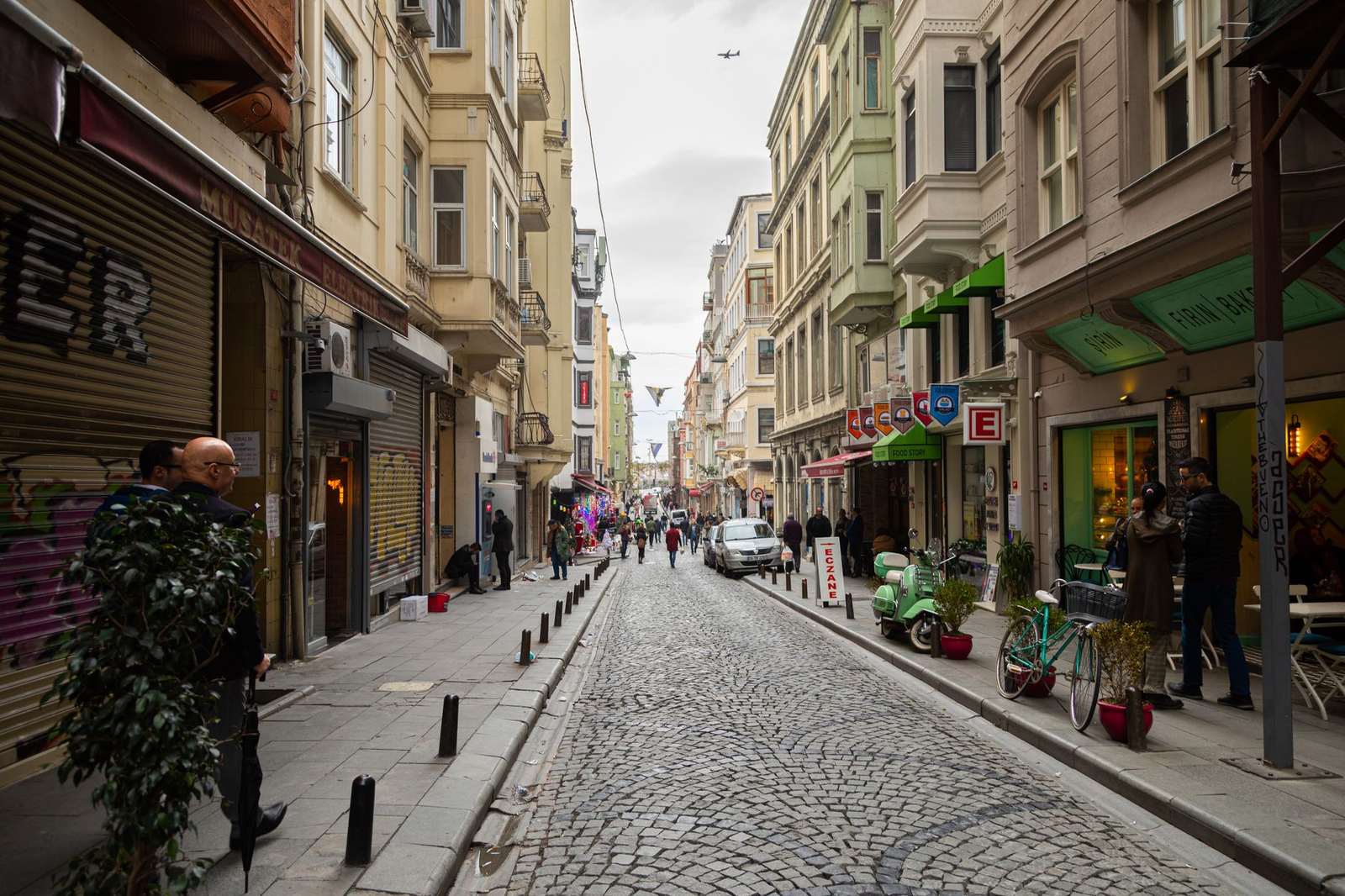
Some photographers prefer to chat first. Buy something from a stall, ask a simple question in the local language, and offer to show the screen. People often relax, and portraits become collaborations rather than grabs.
- Learn “hello”, “thank you” and “may I take a photo?” in the local language.
- Offer to share the picture by message or show it on your screen.
- Skip people in vulnerable moments, such as grief, illness or poverty, unless they clearly welcome it.
- Take extra care with children, and look for a parent’s agreement.
Finding the scenes that tell a place’s story
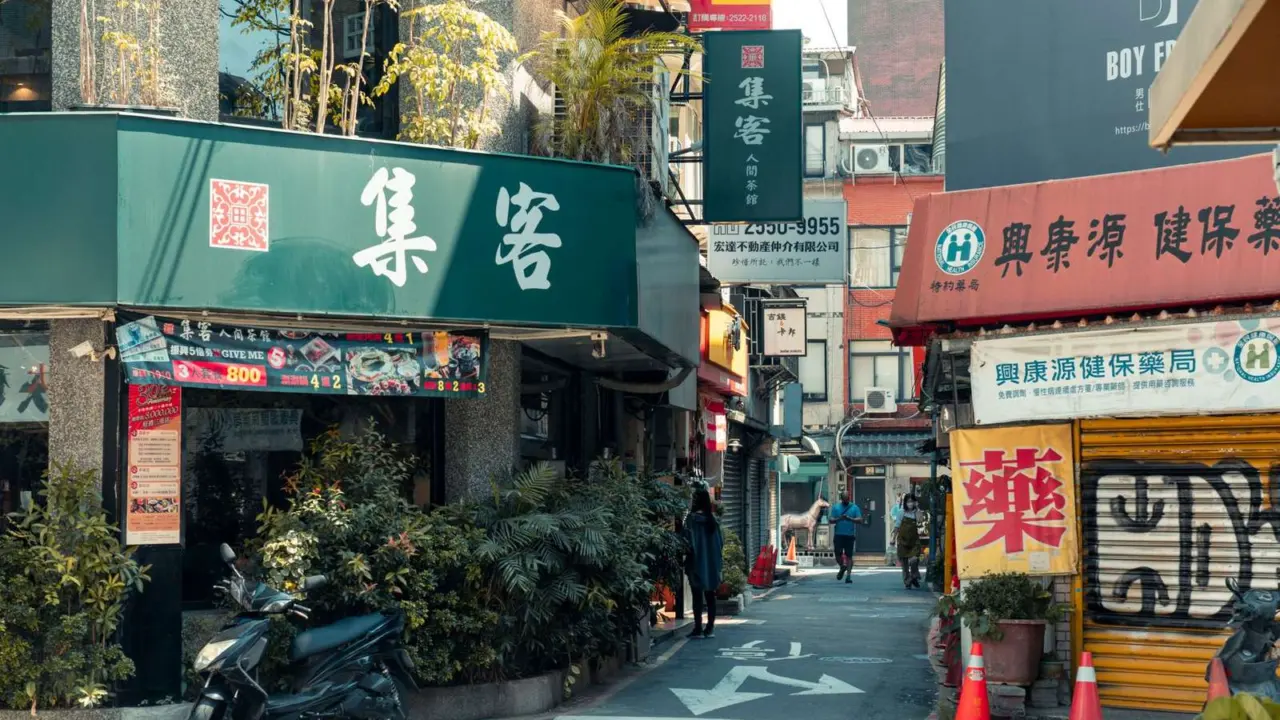
Busy landmarks are only one side of a city. Streets away from the main sights often show the daily rhythm: bakeries opening, school runs, card games, and laundry lines.
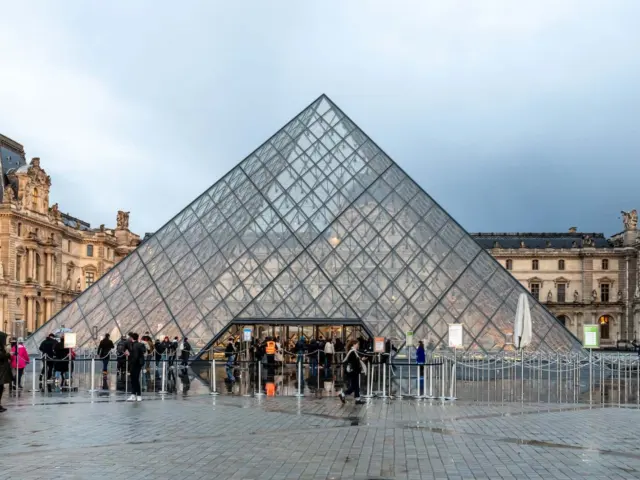
If you do shoot around famous spots, our advice on how to photograph crowded tourist attractions can help you find calm corners and clean angles.
Try these ideas to build a set of images rather than loose snapshots:
- Choose one spot and stay long enough for the scene to change.
- Photograph hands, shadows, signs and reflections as well as faces.
- Shoot early morning and late afternoon, when light is soft and streets are lively.
- Walk the same route twice, because second looks reveal details you missed.
Light, timing and patience on unfamiliar streets
A new city rewards patience. Arrive at a corner, put your bag down, and spend a few minutes simply watching how people move before you take a single frame.
You will notice patterns quickly: where commuters cut through, where vendors set up, and where sunlight lands on a wall for a short while. Frame the empty stage first, then wait for a figure to complete it.
Weather helps too. Rain brings umbrellas, reflections and shelter, and overcast skies soften harsh shadows, so a gloomy day can be better for people pictures than a bright one.
Keep your kit light. A single camera with one lens means fewer decisions, less attention from onlookers, and more energy for walking all day.
After the trip: editing and sharing responsibly
Back home, be honest in your selection. Keep the images that show a real moment and drop the ones that only exist because you pointed a lens at someone.
Before you post, think about the person in the frame. Since rules about publishing can differ from rules about taking a picture, a portrait that was fine to capture may need more care online, especially in countries with strict privacy expectations.
- Avoid captions that mock, label or guess at a stranger’s life.
- Name the place accurately and describe the scene with respect.
- Remove an image if the person pictured asks you to.
Good street photographs leave the subject’s dignity intact. That habit also keeps you welcome the next time you return to the same neighbourhood.
Frequently asked questions
Is it legal to photograph strangers abroad?
Show answer
It depends on the country. Expert Photography notes that in South Korea and Hungary you are not allowed to photograph anyone without their consent, so check local rules before you travel.
What is zone focusing?
Show answer
You set the lens to manual focus and preset the distance on the lens barrel, creating a zone where subjects will be sharp. Fstoppers describes it as an essential skill for street and travel work.
Which lens is easiest for street photography?
Show answer
A wide lens. The Fstoppers lesson says the wider your lens, the easier zone focusing becomes.
What should I do if someone objects to being photographed?
Show answer
Lower the camera, smile, and delete the image if asked. Respect matters more than any single frame.