Not sure whether your camera is welcome inside? The photography rules in museums and churches vary by site, but personal photos without flash are usually fine, and a few rooms ban cameras entirely.
This guide is part of our look at photographing landmarks and tourist sites.
| Item | What the sources say |
|---|---|
| Louvre permanent collections | Photos and videos allowed for personal use; no selfie sticks, flash or lighting |
| Louvre temporary exhibitions | Photos or videos of certain works may be prohibited |
| Vatican Museums (except Sistine Chapel) | Photos allowed for personal and domestic use only |
| Vatican Museums flash | Strictly forbidden |
| Sistine Chapel | No photographs or films with any electronic equipment |
| Filming a church from the roadside | Requires no permission (Chelmsford diocese guidance) |
Figures and rules can change, so check the sources before you rely on them: the Louvre’s museum rules and the Vatican Museums’ visitor information.
Photography rules in museums: the usual pattern
Museum rules exist for three reasons: they protect fragile works, keep crowds moving, and respect the rights of lenders and artists. Knowing the reason helps you guess the rule at a site you have not researched. Flash is the clearest example, because light can harm delicate surfaces and also startles other visitors.
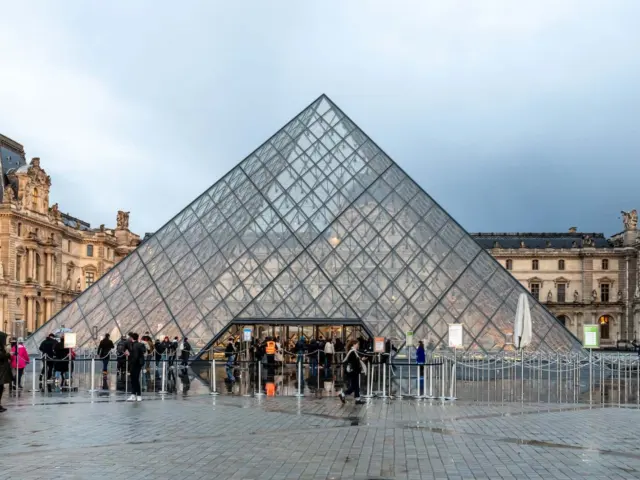
Most large museums let you take personal photos of the permanent collection and ban flash. The Louvre says you can take photos and videos in its permanent collections if they are for personal use. It adds that you are not allowed to use selfie sticks, flash or lighting.
Temporary exhibitions are the exception. The Louvre notes that in its temporary exhibition galleries it may be prohibited to take photos or videos of certain works, usually because the works are on loan.
- Look for pictogram signs at the room entrance.
- Switch off flash and any camera assist light before you walk in.
- Leave selfie sticks in the bag or cloakroom.
- If a guard asks you to stop, stop and ask where photography is allowed.
Vatican Museums and the Sistine Chapel
The Vatican Museums state that it is permitted to take photographs, for personal and domestic use only, in all areas apart from the Sistine Chapel. Flash photography is strictly forbidden, and tripods, stands, drones and professional equipment are not allowed unless the museums’ directorate authorises them.
Inside the Sistine Chapel, the museums forbid photographs or films with any type of electronic equipment. Guards are authorised to ask you to delete material taken in breach of the rule, and visitors are asked to keep absolute silence.
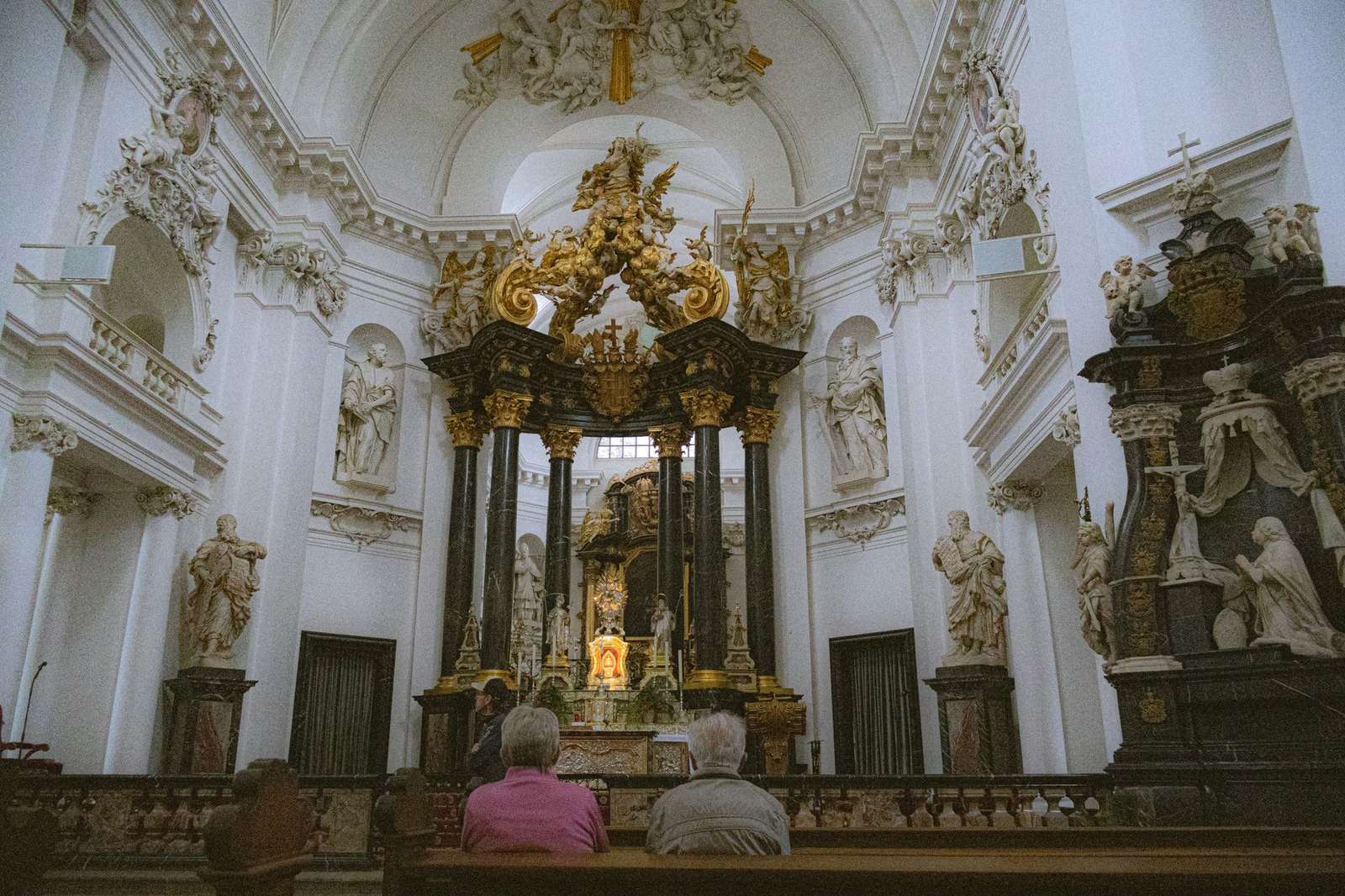
How to read a site’s rules before you go
The official visitor page is the best place to start. Both the Louvre and the Vatican Museums publish a short photography section on their own sites, and each is written in plain language. Search for the venue’s name plus “visitor rules” and open the page on the institution’s own domain, not a ticket reseller’s.
Rules are often split by area, so read the whole section rather than the first line. The Vatican Museums, for example, allow personal photos almost everywhere but treat one room very differently. A single sentence about “all areas apart from” a named room is easy to miss if you skim.
- Check whether the rule covers photos, video or both.
- Note whether personal use is mentioned, since many pages limit permission to that.
- Look for equipment limits such as tripods, stands, drones and selfie sticks.
- Check for temporary exhibitions, which can carry their own signs.
If a page is unclear, the venue’s information desk can answer faster than a forum thread. Rules also change, and a blog written some years ago may describe a policy that no longer applies.
Churches are working places of worship
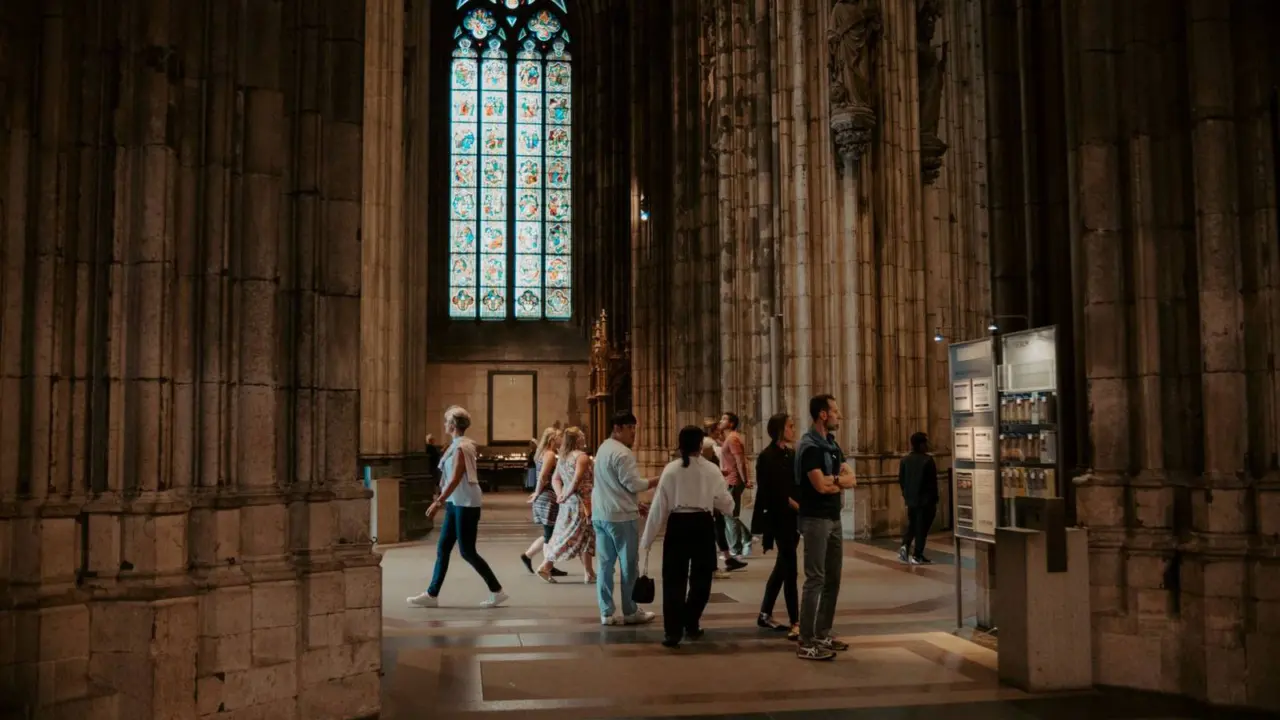
A church is not a museum, so rules come from the parish or diocese rather than a central ticket office. Diocese of Blackburn guidance says that while access to a church is free for all, permission for professional filming and photography (more than snapshots) is required. Casual visitors’ snapshots are the usual baseline, but a notice at the door overrides it.
Services change things. The Diocese of Norwich notes that those appearing in film or photography need to have given consent, as religion is a protected feature under data protection law. In practice, do not photograph worshippers or children without asking.
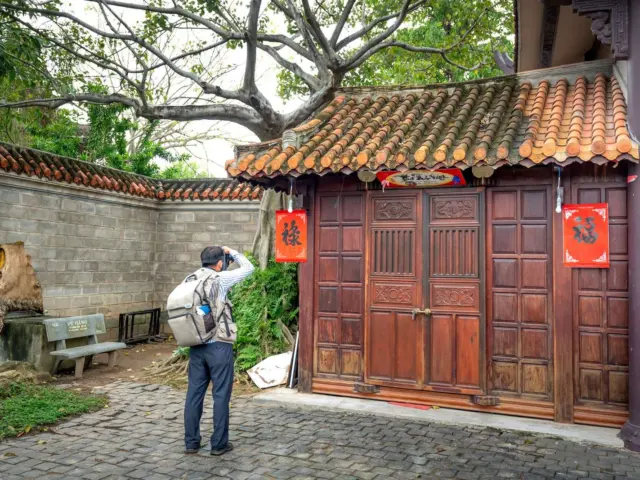
Photographing the outside is simpler. Chelmsford diocese guidance states that filming a church from outside the church curtilage, that is from the roadside, requires no permission.
Non-commercial projects sit in a middle category. Chelmsford diocese guidance says permission is required for non-commercial filming in the church or churchyard, for example for television news reporting or an educational project. It adds that minimal equipment and non-contentious subject matter may be handled with the written permission of the incumbent or priest-in-charge.
The same guidance says that for commercial filming, such as using the church or churchyard as a set for a programme, film or advert, permission is required. That is aimed at film crews, but if you plan to sell your photographs or run a paid shoot, treat it as a signal to ask the church before you arrive.
For ordinary visitors the takeaway is simple. Quiet, handheld, personal photography of the building is the low-risk end, and anything with people, equipment or payment involved needs a conversation first. A church that is open to visitors may still be hosting prayer, so look around before you raise the camera.
Practical habits that keep you welcome
Most problems come from a small number of mistakes, and all of them are avoidable. Visitors forget flash, raise a phone in a room that bans devices, or photograph strangers at prayer. A short routine before each entrance prevents nearly all of it.
When you enter, pause for a moment inside the door. Read any sign, watch what other visitors are doing, and notice where guards or stewards are standing. If you are unsure, ask rather than guess, because staff can tell you in a sentence what a page might take a paragraph to explain.
If you are asked to stop, do so politely. The Vatican Museums state that guard staff may ask you to cancel material taken against the rules, and arguing helps nobody. Treat the request as part of the visit and move on to the next gallery.
Ask first when in doubt: a quick question to a steward or guard costs nothing. Good manners overlap with the rules, and our piece on photography etiquette at tourist sites covers how to behave around other visitors.
- Read the official visitor page for your venue before you go.
- Keep the camera silent and flash off.
- Skip tripods unless the site says they are allowed.
- Do not photograph people at prayer.
- Treat commercial or paid shoots as needing written permission.
Timing helps too. Quieter hours mean fewer awkward moments, and the best time to photograph landmarks is often early or late in the day.
Putting it together for a trip
When you plan a multi-stop trip, make a short note for each venue: personal photos yes or no, flash, tripod, and any room that is off limits. Save the official page on your phone so you can show it if there is a misunderstanding. This takes a few minutes and saves awkward moments on the day.
Pack light. A phone or a compact camera that works well in dim rooms without flash is easier to use under these rules than a large kit with a tripod. Raise your ISO, steady the camera against a wall or your body, and shoot a few frames of each scene so one is sharp.
Finally, remember that photography is a privilege granted by the site. Respecting a ban in one room, whether at a museum or a church, keeps the permission available for everyone who visits afterwards.
Frequently asked questions
Can I take photos in the Louvre?
Show answer
Yes, in the permanent collections for personal use, without selfie sticks, flash or lighting, according to the Louvre’s museum rules.
Can I photograph the Sistine Chapel?
Show answer
No. The Vatican Museums forbid photographs or films with any type of electronic equipment in the chapel.
Do I need permission to photograph a church from the street?
Show answer
Chelmsford diocese guidance says filming a church from the roadside requires no permission.
Can I use a tripod?
Show answer
At the Vatican Museums, tripods and stands are not allowed unless authorised. Check each venue’s rules before bringing one.